*** START OF THE PROJECT GUTENBERG EBOOK 62819 ***
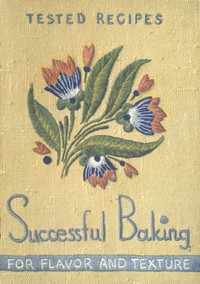
[Illustration: Successful Baking for Flavor and Texture]
SUCCESSFUL
Baking
FOR FLAVOR AND TEXTURE
Tested Recipes
BY Martha Lee Anderson
6th EDITION
CHURCH & DWIGHT COMPANY, INC.
70 PINE STREET, NEW YORK, N. Y.
COPYRIGHT, 1937 BY CHURCH & DWIGHT CO. INC., N. Y.
Helpful Kitchen Hints—pages 34-38
INTRODUCTION
[Illustration: {Baking Soda boxes}]
You may use these recipes with confidence. You will find that we have
carefully selected a most pleasing variety of old favorites and new,
delicious tempters. Many are pictured in color, so you can see what your
results will be. All have been critically tested ... for your
protection.
For the first time, you may observe the rich flavor and delicate texture
of baked products leavened and lightened with nature’s fruit juices and
nature’s acids, combined with baking soda. The crumb, soft as velvet,
the moisture thoroughly retained and the color, rich and inviting, are
outstanding results of this natural leavening. You don’t need to wait
for milk to sour, either; but ... the secret of successful baking is in
these pages ... read them.
We invite you to practice this art women regard so highly ... successful
baking.
{Martha Lee Anderson}
_Research Test Kitchen_
_Church & Dwight Co., Inc._
A Secret for successful baking
Successful baking is another way of keeping a family happy. For who
isn’t filled with the joy of living when tempted by the penetrating
aroma of Gingerbread, rich and spicy ... or a piece of luscious velvety
Chocolate Cake, full of flavor? What adds more zest to a meal than a
surprise plate of hot breads ... fragrant Cinnamon Buns, maybe Lemon
Clover Rolls, delicate Soda Biscuits or Old Fashioned Corn Bread?
The secret for making these successfully is as “old as the hills” but as
new as the morrow. Baking soda! Yes, grandmother used it in her prized
recipes and the modern homemaker finds it making her baking day a
success.
Arm & Hammer Brand and Cow Brand Baking Soda are refined bicarbonate of
soda whose standard of purity is that set up by the United States
Pharmacopoeia. For over 90 years this mild, healthful, alkaline
substance has been creating baking history. All these years homemakers
have depended on baking soda to make their baked products deliciously
moist and delicately light and tender.
“How,” asks the inexperienced homemaker, “does baking soda make cakes,
cookies and quick breads light and tender every time?”
Baking soda has stored in it a tremendous quantity of carbon dioxide
gas, the same gas found in soda water and ginger ale. This is released
when it comes in contact with any acid material such as the many mild
acids naturally found in cooking ingredients.
Among those ingredients are chocolate, cocoa, brown sugar, tomato juice,
sour milk, buttermilk, apple sauce, spices, cottage cheese, molasses,
vinegar, citrus fruit juices and many more. These acid ingredients are
familiar to everyone. One or more of them, you will notice, is used
almost every time you bake.
The baking soda gently but surely reacts with these natural acids,
freeing millions of tiny carbon dioxide bubbles which are held enmeshed
in the batters and doughs. As this gas expands during the baking, the
product becomes light and tender. Thus it is that baking soda uses
nature’s own unrivaled acids to leaven and lighten baked products.
Success Assured
Leavening nature’s way is surprisingly easy. The acid content of citrus
fruit juices or vinegar may be used to develop the unsurpassed flavor
and texture associated with baking soda products. The following amounts,
1⅓ tablespoons vinegar (4 teaspoons)
1½ tablespoons lemon juice (4½ teaspoons)
¾ cup orange juice (12 tablespoons)
may be used with ½ teaspoon baking soda. Many of the recipes in this
booklet are especially designed for this natural combination of baking
soda and acid juices. Sometimes the acid is added last as in the “Lemon
Loaf Cake” on page 11, while in the “Lemon Clover Rolls,” page 28, it is
combined with the liquid, then added to the mixture. In any case, you
will be pleased with the results.
IMPORTANT! You don’t need natural sour milk or buttermilk to prepare
your old time favorite delicacies. It is the acid normally found in
these ingredients which reacts with baking soda for leavening. If sour
milk or buttermilk with its natural acid is not available, you may
provide the necessary acid by using citrus fruit juices or vinegar with
sweet milk. It is surprisingly simple to change sweet milk to milk that
contains as much acid as natural sour milk or buttermilk when it is at
its best for baking.
For example, when vinegar is used to provide this acid, place 1⅓
tablespoons vinegar (white vinegar makes a whiter product) in a standard
measuring cup, then fill to the one-cup mark with sweet milk. Mix well.
The resulting liquid can be used in place of sour milk or buttermilk in
any baking soda recipe. Use 1½ tablespoons lemon juice or ¾ cup orange
juice in a similar manner.
In many of these recipes, designed in our Research Test Kitchen, one or
more acid ingredient is used to create perfect leavening with baking
soda.
Follow these recipes accurately and carefully, then enjoy the finer
flavor and even texture produced when baking with baking soda.
How to Bake
[Illustration: How to Bake]
FLOUR. Preferably use the kind of flour specified in the recipe. If you
substitute cake or pastry flour for all-purpose flour, use 2 additional
tablespoonfuls of flour for each cup required; to substitute all-purpose
flour for cake or pastry flour, remove 2 tablespoonfuls of flour from
each cup.
FATS. Solid fats can be used interchangeably. Melted fats or oils should
not be used in recipes specifying creaming of the shortening.
LIQUID. The use of citrus fruit juices, lemon and orange, is the most
recent accompaniment with sweet milk and baking soda for leavening. With
the health-giving qualities, this new use for fruit juices in baking is
widely accepted.
_Sweet milk may be used in place of sour milk if clabbered artificially.
To sour or clabber sweet milk quickly, place 1½ tablespoonfuls of lemon
juice or 1⅓ tablespoonfuls of vinegar (white vinegar makes a whiter
product) in a standard measuring cup, then fill to the one-cup mark with
sweet milk. Mix well. The resulting liquid will contain as much acid as
natural sour milk or buttermilk when it is at its best for baking, and
may be used exactly as natural sour milk or buttermilk in any baking
soda recipe._
MEASURING. Always use level measurements. Use standard measuring
equipment: a ½ pint cup marked in quarters and thirds; a set of standard
measuring spoons consisting of a tablespoon, teaspoon, ½ teaspoon and ¼
teaspoon.
MIXING. There is no such thing as “luck” in baking. Success depends on
good ingredients correctly combined. Follow the directions carefully as
set down in the following recipes.
BAKING. Keep the oven at the temperature specified in the recipe. You
have mastered an important part of baking, if you keep your oven under
control. Oven regulators and thermometers safeguard baking.
CARE AFTER BAKING. Let cakes stand in pan on cooling rack for 3 to 5
minutes after baking; then turn out on rack and finish cooling before
frosting. Cookies should also be cooled on a rack.
[Illustration: ALWAYS SIFT FLOUR]
[Illustration: USE STANDARD MEASURING EQUIPMENT]
[Illustration: FOLLOW RECIPES CAREFULLY]
[Illustration: AFTER BAKING LET CAKES AND COOKIES COOL]
Facts regarding plain white flour
[Illustration: Facts regarding plain white flour]
In Arm & Hammer or Cow Brand Baking Soda recipes, certain types of flour
are used or specified simply to indicate that such a flour gives the
most desirable characteristics to that particular baked product, but it
does not mean that another type of flour cannot be substituted, nor that
an inferior product will result if a correct substitution is made.
BREAD FLOUR. This is used to a large extent by commercial bakers and
generally is made from hard wheats: it contains a high percentage of a
protein product known as gluten. The gluten in this flour is hard,
capable of taking up and retaining a large quantity of water. This
type of flour is admirably adapted for bread making, since the strong
gluten gives an excellent skeleton to the loaf. Such a flour is seldom
used in the home today, except by those who make large quantities of
home-made white bread. Usually, the gluten is present in this flour to
the extent of 11 to 12%.
GENERAL PURPOSE OR FAMILY FLOUR. This flour is intended to fill all
needs and, consequently, is made by blending flours from soft and hard
wheats. It contains a moderate amount of medium hard gluten, and is
used in baking hot breads, such as muffins and scones. However, it can
be used for pastries as well. When employed in place of pastry or cake
flour, two level tablespoonfuls less per cup should be used.
General-purpose flours range in gluten content from 10 to 11% and, in
this respect, are about half way between bread and true pastry or cake
flours.
PASTRY OR CAKE FLOUR. Such flours not only have the lowest gluten
content, but a weak soft gluten as well, and are very satisfactory for
making all pastries except such items as fruit cakes. These are
preferably made with all-purpose flour, to support the fruit and
maintain a desirable structure. Pastry flours contain 9 to 10% gluten
and are made from various types of soft wheat. Special cake flours
belong to the pastry flour class, but are finer in texture. They are
slightly lower in gluten content (8 to 9%), and the gluten is even
softer. Pastry flour gives baked products a tender thin crust and a
delicate crumb. Pastry flour can neither absorb nor retain moisture
like bread and all-purpose flours and, therefore, sour milk or
buttermilk is splendidly adapted for use with this flour, since both
are capable of retaining moisture.
If all-purpose or family flour is specified in a recipe, and only
pastry is available, increase the pastry flour slightly (two
tablespoonfuls for every cup of family flour specified). When pastry
flour is used in biscuit recipes, the dough is rather soft and
inclined to be somewhat difficult to roll. Instead of further
increasing the pastry flour to stiffen the dough, better results are
realized by using the dough for dropped biscuits.
Flour, baking soda and many other similar materials should be stored
in a dry cool place, free from odors.
[Illustration: {uncaptioned}]
Cakes
[Illustration: Cakes]
ORANGE LOAF
2 cups pastry flour
½ teaspoon Arm & Hammer or Cow Brand Baking Soda
¼ teaspoon salt
⅓ cup butter, or other shortening
1 cup sugar
2 eggs
Grated rind of 1 orange
¾ cup orange juice, strained
1. Sift, then measure the flour. Sift three times with the baking soda
and salt.
2. Cream the butter until light and lemon colored. Add sugar gradually,
beating after each addition.
3. Slowly add the eggs which have been beaten until they are almost as
stiff as whipped cream.
4. Add the orange rind. Alternately add the dry ingredients and orange
juice, beating until smooth after each addition.
5. Turn into a greased paper lined loaf pan. Bake.
6. When cool frost with Coconut Orange Frosting.
Amount: 6 × 10 inch pan Temperature: 350° F. Time: 50 minutes
See page 8
MARBLE CAKE
2½ cups pastry flour
1 teaspoon Arm & Hammer or Cow Brand Baking Soda
¼ teaspoon salt
½ cup butter, or other shortening
1 cup sugar
2 eggs
2 tablespoons lemon juice
¾ cup sweet milk
½ teaspoon vanilla
1 teaspoon cinnamon
½ teaspoon cloves
¼ teaspoon nutmeg
¼ teaspoon Arm & Hammer or Cow Brand Baking Soda
1 tablespoon molasses
1. Sift, then measure the flour. Sift three times with the 1 teaspoon
baking soda and salt.
2. Cream the butter until light and lemon colored. Add sugar gradually,
beating after each addition.
3. Slowly add the eggs which have been beaten until they are almost as
stiff as whipped cream.
4. Combine the lemon juice and milk. Alternately add the dry ingredients
and the liquid, a small amount at a time, beating until smooth
after each addition.
5. Divide batter in two equal parts.
6. To part one, add the vanilla.
7. To the other, add the well mixed ¼ teaspoon baking soda and spices,
then the molasses. Blend well.
8. Place batter in greased loaf pan by spoonfuls, alternating the light
and dark batters, thus giving a marbled effect. Bake.
9. Frost with Butter Frosting.
Amount: 9 × 5 inch pan Temperature: 350° F. Time: 45-50 minutes
See page 8
DATE NUT LAYER CAKE
2⅓ cups all-purpose flour
¾ teaspoon Arm & Hammer or Cow Brand Baking Soda
½ teaspoon salt
½ cup butter, or other shortening
1 cup sugar
2 eggs
1 cup buttermilk
1 cup dates, very finely cut
1 cup nutmeats, coarsely chopped
1. Sift, then measure the flour. Sift three times with baking soda and
salt. All-purpose flour is used to prevent settling of dates to
the bottom of the cake.
2. Cream the butter until light and lemon colored. Add sugar gradually,
beating after each addition.
3. Slowly add the eggs which have been beaten until they are almost as
stiff as whipped cream.
4. Alternately add the dry ingredients and the liquid, beating until
smooth after each addition.
5. Quickly fold in the dates and nuts which have been floured with 1
tablespoon of the dry ingredients.
6. Turn into greased layer cake pans. Bake.
7. Frost with Maple Cream Frosting.
Amount: 2—9 inch pans Temperature: 350° F. Time: 30-35 minutes
SOUR MILK CHOCOLATE CAKE
2 cups pastry flour
1 teaspoon Arm & Hammer or Cow Brand Baking Soda
¼ teaspoon salt
½ cup butter, or other shortening
1 cup sugar
2 eggs
2 squares (2 ounces) unsweetened chocolate
1 cup sour milk
1 teaspoon vanilla
1. Sift, then measure flour. Sift three times with baking soda and salt.
2. Cream the butter until light and lemon colored. Add sugar gradually,
beating after each addition.
3. Slowly add the eggs which have been beaten until they are almost as
stiff as whipped cream.
4. Gradually add the chocolate which has been melted and cooled.
5. Stir the vanilla into the milk. Alternately add the dry ingredients
and the liquid, a small amount at a time, beating until smooth
after each addition.
6. Turn into a greased loaf pan. Bake.
7. Frost with Soft Chocolate Icing.
Amount: 8 × 8 inch pan Temperature: 325° F. Time: 60 minutes
DESSERT GINGERBREAD
1½ cups all-purpose flour
1 teaspoon Arm & Hammer or Cow Brand Baking Soda
¼ teaspoon salt
1 teaspoon ginger
⅓ cup shortening
½ cup sugar
1 egg
½ cup molasses
¾ cup boiling water
1. Sift, then measure the flour. Sift three times with the baking soda,
salt and ginger.
2. Cream the shortening until it is light and fluffy. Add the sugar
gradually, beating after each addition.
3. Next, add the unbeaten egg, beating briskly.
4. Add the molasses. Then add the dry ingredients, beating until smooth.
Stir in boiling water.
5. Turn into greased loaf pan. Bake.
Amount: 8 × 8 inch pan Temperature: 350° F. Time: 30-40 minutes
See page 8
LEMON LOAF CAKE
2 cups pastry flour
½ teaspoon Arm & Hammer or Cow Brand Baking Soda
¼ teaspoon salt
½ cup butter, or other shortening
1 cup sugar
2 eggs
½ cup sweet milk
1½ tablespoons lemon juice
1. Sift, then measure flour. Sift three times with baking soda and salt.
2. Cream the butter until light and lemon colored. Add sugar gradually.
3. Slowly add the eggs which have been beaten until they are almost as
stiff as whipped cream.
4. Alternately add the dry ingredients and the liquid, beating until
smooth after each addition. Add lemon juice, blending in well.
5. Turn into greased loaf pan. Bake.
6. Cover with Lemon Filling and top with ½ recipe of Fluffy Frosting.
Amount: 8 × 8 inch pan Temperature 350° F. Time: 45 minutes
See page 17
THANKSGIVING STEAMED PUDDING
3 cups all-purpose flour
1 teaspoon Arm & Hammer or Cow Brand Baking Soda
1½ teaspoons salt
½ teaspoon cloves
½ teaspoon mace
½ teaspoon allspice
½ teaspoon cinnamon
1 cup suet, finely ground
1 cup molasses
1 cup sweet milk
1½ cups seedless raisins, chopped
1. Sift, then measure the flour. Sift three times with the baking soda,
salt and spices.
2. Combine suet, molasses and milk.
3. To the suet mixture, add the dry ingredients, beating until smooth.
Add raisins.
4. Turn into a well greased pan or mold. Cover. Steam 3 hours.
5. Serve with Hard Sauce or Foamy Sauce.
Amount: 12 servings
DARK FRUIT CAKE
5 cups all-purpose flour
1 teaspoon Arm & Hammer or Cow Brand Baking Soda
½ teaspoon salt
½ teaspoon cloves
½ teaspoon cinnamon
½ teaspoon mace
1 pound butter, or other shortening
1 pound sifted brown sugar
8 eggs
½ pound each candied cherries, citron, orange and lemon peel, finely
sliced
1 pound almonds, blanched and shredded
1 pound seedless raisins
1 pound currants
½ cup water
1 cup honey
½ cup molasses
1. Sift, then measure the flour. Sift three times with baking soda, salt
and spices.
2. Cream the butter until light and lemon colored. Add sugar gradually,
beating after each addition.
3. Slowly add the eggs which have been beaten until they are almost as
stiff as whipped cream.
4. Add the fruits and nuts, then add water, honey and molasses.
5. Add dry ingredients, beating until smooth after each addition.
6. Turn into 2 paper-lined tube pans. Bake.
Amount: 10 pounds Temperature: 250° F. Time: 3½ hours
BAKED PRUNE PUDDING
1½ cups all-purpose flour
½ teaspoon Arm & Hammer or Cow Brand Baking Soda
½ teaspoon salt
½ teaspoon cinnamon
¼ cup butter, or other shortening
¾ cup sugar
1 egg
½ cup juice from prunes
1 cup stewed prunes, drained and finely chopped
½ cup nutmeats, coarsely cut
1. Sift, then measure flour. Sift three times with baking soda, salt and
cinnamon.
2. Cream the butter until it is light and lemon colored. Add sugar
gradually, beating after each addition.
3. Briskly stir in the well beaten egg.
4. Alternately add the dry ingredients and prune juice, a small amount
at a time, beating until smooth after each addition.
5. Last, carefully stir in the prunes and nutmeats.
6. Turn into a greased tube pan. Bake.
7. Serve with whipped cream.
Amount: 2 qt. tube pan Temperature: 375° F. Time: 1 hour
FAVORITE SPICE CAKE
2½ cups pastry flour
1 teaspoon Arm & Hammer or Cow Brand Baking Soda
¼ teaspoon salt
2 teaspoons cinnamon
½ teaspoon cloves
¼ teaspoon nutmeg
½ cup butter, or other shortening
1 cup sifted brown sugar, firmly packed
2 eggs
¾ cup sweet milk
2 tablespoons vinegar
1. Sift, then measure flour. Sift again with baking soda, salt and
spices.
2. Cream butter until light and lemon colored. Add sugar gradually,
beating after each addition.
3. Slowly add the eggs which have been beaten until they are almost as
thick as whipped cream.
4. Combine vinegar and milk. Alternately add the dry and the liquid
ingredients, beating until smooth after each addition.
5. Turn into a greased cake pan. Bake in a moderate oven.
6. Frost with Butter Frosting.
Amount: 8 × 8 inch pan Temperature: 350° F. Time: 40-45 minutes
RED DEVIL’S CAKE
2 cups pastry flour
1¼ teaspoons Arm & Hammer Cow Brand Baking Soda
¼ teaspoon salt
½ cup butter, or other shortening
1 cup sugar
2 eggs
2 squares (2 ounces) unsweetened chocolate
1 teaspoon vanilla
¾ cup sour milk or buttermilk
⅓ cup boiling water
1. Sift, then measure the flour. Sift three times with the baking soda
and salt.
2. Cream the butter until light and lemon colored. Add sugar gradually,
beating after each addition until light and fluffy.
3. Slowly add the eggs which have been beaten until they are almost as
stiff as whipped cream. Gradually add the chocolate which has been
melted and cooled.
4. Stir the vanilla into the milk. Alternately add the dry ingredients
and the milk, beating until smooth after each addition. Add the
boiling water and beat in well.
5. Turn into a greased cake pan. Bake.
6. Frost with Quick Butterscotch Icing. Let cake stand two hours before
cutting to allow the red color to develop.
Amount: 2—8 inch layers Temperature: 350° F. Time: 25-30 minutes
See page 17
HONEY DIAMONDS
2 cups pastry flour
½ teaspoon Arm & Hammer or Cow Brand Baking Soda
¼ teaspoon salt
½ teaspoon cinnamon
¼ cup butter, or other shortening
1 cup sifted brown sugar, firmly packed
⅓ cup honey
2 eggs
½ cup sweet milk
Nutmeats
1. Sift, then measure the flour. Sift three times with the baking soda,
salt and cinnamon.
2. Cream the butter until light and lemon colored. Add sugar gradually,
beating after each addition.
3. Combine honey and eggs which have been beaten until they are almost
as stiff as whipped cream. Add to the butter-sugar mixture. Blend
well.
4. Alternately add the dry ingredients and milk, beating after each
addition.
5. Turn into a greased shallow cake pan. Bake.
6. Frost with Butter Icing. Garnish with nutmeats. Cut in diamond shaped
pieces.
Amount: 9 × 9 inch pan Temperature: 350° F. Time: 45-50 minutes
See page 8
FRUIT CUP CAKES
2 cups pastry flour
1 teaspoon Arm & Hammer or Cow Brand Baking Soda
½ teaspoon salt
1 teaspoon cinnamon
½ teaspoon allspice
½ cup butter, or other shortening
1 cup sifted brown sugar, firmly packed
2 eggs
1⅓ tablespoons vinegar
⅔ cup sweet milk
1 cup dates, finely cut
1 cup nutmeats, coarsely cut
½ cup citron, sliced
1. Sift, then measure the flour. Sift three times with baking soda, salt
and spices.
2. Cream the butter until light and lemon colored. Add sugar gradually,
beating after each addition.
3. Slowly add the eggs which have been beaten until they are almost as
thick as whipped cream.
4. Combine vinegar and milk. Alternately add the dry ingredients and the
liquid, a small amount at a time, beating until smooth after each
addition.
5. Lastly add fruit and nuts.
6. Fill greased muffin tins ⅔ full.
Amount: 3 dozen small cakes Temperature: 375° F. Time: 20-25 minutes
See page 17
APPLE SAUCE CAKE
2 cups all-purpose flour
1 teaspoon Arm & Hammer or Cow Brand Baking Soda
¼ teaspoon salt
¼ teaspoon cloves
½ teaspoon nutmeg
1 teaspoon cinnamon
½ cup butter, or other shortening
1 cup sugar
1 egg
1 cup raisins, chopped
1 cup nutmeats, coarsely broken
1 cup thick apple sauce
1. Sift, then measure the flour. Sift three times with the baking soda,
salt and spice.
2. Cream the butter well. Gradually add sugar, beating after each
addition.
3. Add the egg, beating well, then the raisins and nuts.
4. Alternately add the dry ingredients and apple sauce, beating until
smooth after each addition.
5. Turn into a greased loaf pan. Bake.
Amount: 9 × 9 inch pan Temperature: 350° F. Time: 1 hour 15 minutes
CHOCOLATE NUT CAKE
1⅓ cups pastry flour
¾ teaspoon Arm & Hammer or Cow Brand Baking Soda
½ teaspoon salt
⅓ cup butter, or other shortening
¾ cup sugar
1 egg
½ cup nutmeats, coarsely cut
2 ounces (2 squares) unsweetened chocolate
¾ cup sour milk or buttermilk
1 teaspoon vanilla
1. Sift, then measure flour. Sift again with the baking soda and salt.
2. Cream the butter until light and lemon colored. Add the sugar
gradually, beating after each addition.
3. Slowly add the egg which has been beaten until it is almost as stiff
as whipped cream.
4. Add the nutmeats, then the chocolate which has been melted and
cooled.
5. Combine the vanilla and sour milk. Alternately add the dry and liquid
ingredients, beating until smooth after each addition.
6. Turn into greased pan and bake in moderate oven.
Amount: 8 × 8 inch pan or a tube pan Temperature: 350° F.
Time: 40-45 minutes See page 17
Frostings
[Illustration: Frostings]
ORANGE COCONUT FROSTING
3 tablespoons butter
2 cups confectioners sugar
¼ cup orange juice
¾ cup grated coconut
1. Cream butter until very soft.
2. Add sugar gradually, thinning with orange juice to spreading
consistency. Beat until smooth.
3. Beat coconut into frosting.
Amount: 1½ cups See page 8
FOAMY SAUCE
½ cup butter
1 cup confectioners sugar
2 egg yolks
¼ cup brandy
2 egg whites
1. Cream butter until light and lemon colored.
2. Gradually add sugar, beating until light and fluffy.
3. Add egg yolks, one at a time, beating until well blended.
4. Add brandy. Place in upper part of double boiler over simmering water
and cook until thickened, stirring constantly.
5. Pour slowly over egg whites which have been stiffly beaten. Blend
gently but thoroughly. Serve immediately.
Amount: 2 cups
MAPLE CREAM FROSTING
½ cup maple syrup
1 pound confectioners sugar
¼ cup butter, melted
¼ cup milk
Dash of salt
1. Heat maple syrup to boiling and cook 3 minutes.
2. Combine sugar, butter, milk and salt.
3. Add syrup and beat until light and thick.
4. This makes sufficient frosting to generously cover tops of two 9-inch
layers.
BUTTER FROSTING
4 tablespoons butter
2 cups confectioners sugar
2 tablespoons milk
1 teaspoon vanilla
1. Cream butter until very soft.
2. Add sugar gradually, thinning with milk until it is of spreading
consistency.
3. Add vanilla. Beat until smooth.
Amount: 1 cup See page 8
[Illustration: {uncaptioned}]
QUICK BUTTERSCOTCH FROSTING
2 tablespoons granulated sugar
¼ cup boiling water
2½ cups confectioners sugar
¼ cup milk
2 tablespoons butter
1. Make a caramel syrup of the granulated sugar by heating it slowly
over a flame until it melts and becomes straw colored. Remove from
fire. Add boiling water carefully as it spatters. Stir until sugar
is dissolved.
2. Cream butter until soft. Add ½ cup of confectioners sugar. Then add
sugar syrup, beating well. Add remaining confectioners sugar
gradually, thinning with milk to a spreading consistency.
FLUFFY FROSTING
1 cup sugar
2 egg whites
4 tablespoons cold water
¼ teaspoon cream of tartar
Dash of salt
½ teaspoon vanilla
1. Combine sugar, unbeaten egg whites, water, cream of tartar and salt
in upper part of double boiler.
2. Place over boiling water and beat constantly with rotary type beater
until frosting will stand in peaks, or about 7 minutes. Add
vanilla last.
Amount: 3 cups See page 17
SOFT CHOCOLATE FROSTING
1 cup confectioners sugar
1 egg
Dash of salt
2 squares (2 ounces) unsweetened chocolate
½ teaspoon vanilla
1. Gradually add sugar to the slightly beaten egg. Beat until smooth and
light.
2. Add salt and melted chocolate, blending well. Add vanilla. Cool
before spreading.
3. This makes sufficient to cover tops and sides of an 8 × 8 inch loaf
cake.
LEMON FILLING
Juice and grated rind of 1 lemon
½ cup sugar
¾ cup water
2½ tablespoons cornstarch
2 tablespoons water
1 egg yolk
1. Combine lemon juice, rind, sugar and ¾ cup water. Slowly bring this
mixture to boiling point.
2. Make a smooth paste of cornstarch and the 2 tablespoons of water. Add
slowly to syrup, stirring constantly. Cook until mixture is thick
and clear, or about 5 minutes. Remove from heat.
3. Add small amount to slightly beaten egg yolk. Beat vigorously. Return
to remaining mixture and blend well. Cool.
Amount: 1½ cups See page 17
Cookies
[Illustration: Cookies]
COCONUT ICEBOX COOKIES
4 cups all-purpose flour
1 teaspoon Arm & Hammer or Cow Brand Baking Soda
1 teaspoon salt
1 teaspoon cinnamon
1 cup melted butter, or other shortening
1 cup granulated sugar
½ cup sifted brown sugar, firmly packed
2 eggs
2 cups shredded coconut
½ cup sweet milk
1. Sift, then measure the flour. Sift again with the baking soda, salt
and cinnamon.
2. Combine melted shortening, granulated sugar, brown sugar, well beaten
eggs, coconut and milk. Reserve part of coconut for garnish if
desired.
3. To this mixture blend in the dry ingredients.
4. Form into two rolls 6 inches long. Wrap in wax paper. Place in
refrigerator until thoroughly chilled or as needed.
5. Cut ¼ inch slices from roll as required. Bake in hot oven.
Amount: 4 dozen cookies Temperature: 425° F. Time: 5-8 minutes
See page 20
SOFT MOLASSES COOKIES
4½ cups all-purpose flour
2 teaspoons Arm & Hammer or Cow Brand Baking Soda
3 teaspoons ginger
1 teaspoon salt
1 cup butter, or other shortening
1 cup sifted brown sugar, firmly packed
2 eggs
¾ cup molasses
¾ cup sour milk
Granulated sugar
1. Sift, then measure the flour. Sift again with the baking soda, ginger
and salt.
2. Cream shortening, add sugar gradually and beat until light and
fluffy.
3. Blend in the well beaten eggs. Then add molasses and continue
beating.
4. Alternately add the dry ingredients with the milk, beating until
smooth after each addition.
5. Chill dough in refrigerator several hours.
6. Turn onto floured board. Roll to ¼-inch thickness and cut with
scalloped cooky cutter, or form a roll of the dough and cut slices
¼ inch thick. Sprinkle with granulated sugar.
7. Place on greased baking sheet. Bake in a hot oven.
Amount: 3 dozen, 3-inch cookies Temperature: 400° F. Time: 12 minutes
[Illustration: {uncaptioned}]
FRUIT COOKIES
3½ cups all-purpose flour
1 teaspoon Arm & Hammer or Cow Brand Baking Soda
½ teaspoon salt
1 teaspoon cinnamon
1 teaspoon nutmeg
¾ cup butter
1 cup sugar
2 eggs
¾ cup molasses
1 cup raisins
1 cup nutmeats, coarsely cut
1. Sift, then measure the flour. Sift three times with the baking soda,
salt and spices.
2. Cream the butter until light and lemon colored. Add sugar gradually.
3. Slowly add the well beaten eggs, then the molasses, blending
thoroughly.
4. Add the dry ingredients, beating until smooth.
5. Last, stir in the raisins and nuts.
6. Chill in refrigerator until firm enough to handle.
7. Turn onto a lightly floured board. Roll as thin as possible without
causing dough to break. Cut with large size, floured cutter.
8. Bake on an ungreased baking sheet in a hot oven.
Amount: 3½ dozen cookies Temperature: 425° F. Time: 8-10 minutes
FROSTED CHOCOLATE DROPS
1¾ cups all-purpose flour
½ teaspoon Arm & Hammer or Cow Brand Baking Soda
½ teaspoon salt
½ cup butter, or other shortening
¾ cup sugar
1 egg
2 squares (2 ounces) unsweetened chocolate
1 teaspoon vanilla
½ cup sweet milk
½ cup nutmeats, coarsely cut
1. Sift, then measure the flour. Sift three times with the baking soda
and salt.
2. Cream the butter until light and lemon colored. Add sugar gradually,
beating after each addition.
3. Slowly add the well beaten egg, then the chocolate which has been
melted and cooled.
4. Stir vanilla into the milk. Alternately add dry ingredients and
liquid, beating until smooth after each addition. Stir in
nutmeats.
5. Drop by spoonfuls on ungreased baking sheet. Bake in hot oven.
6. When cool, frost with Soft Chocolate Frosting.
Amount: 3 dozen cookies Temperature: 425° F. Time: 8-10 minutes
See page 20
OLD FASHIONED MOLASSES COOKIES
8 cups all-purpose flour
4 teaspoons Arm & Hammer or Cow Brand Baking Soda
¼ teaspoon salt
1 tablespoon ginger
1 teaspoon cinnamon
3 cups molasses
1 cup lard, melted
½ cup butter, melted
10 tablespoons boiling water
Granulated sugar
1. Sift, then measure the flour. Sift three times with the baking soda,
salt and spices.
2. Combine the molasses, melted shortening and boiling water.
3. To these liquid ingredients, add 4 cups of dry ingredients and blend
well.
4. Add remaining 4 cups of dry ingredients gradually, beating well after
each addition.
5. Let stand in a cool place about 1 hour.
6. Turn onto a lightly floured board. Roll ¼ inch thick. Cut with large,
floured cooky cutter. Sprinkle with granulated sugar. Bake in hot
oven.
Amount: 5 dozen cookies Temperature: 425° F. Time: 15 minutes
CRISP WHITE SUGAR COOKIES
4 cups all-purpose flour
1 teaspoon Arm & Hammer or Cow Brand Baking Soda
½ teaspoon salt
1½ cups sugar
1½ cups butter, or other shortening
½ cup sour milk or buttermilk
2 eggs
1 teaspoon vanilla
1. Sift, then measure the flour. Sift again with the baking soda, salt
and sugar.
2. Cut the shortening into the dry ingredients until it is as fine as
corn meal.
3. Combine milk, slightly beaten eggs and vanilla.
4. Add the dry ingredients to the liquid ingredients, beating until
smooth.
5. Cover dough closely with wax paper and chill in refrigerator
overnight or several hours.
6. Then turn dough on a lightly floured board and roll thin. Cut with a
floured cooky cutter. Garnish. Keep dough cold as it becomes
sticky and hard to handle when warm.
7. Bake on ungreased baking sheet in a hot oven.
8. Remove to cooling rack. They will crisp as they cool.
Amount: 4 dozen large cookies Temperature: 425° F. Time: 8-10 minutes
See page 20
DOUGHNUTS
4 cups all-purpose flour
1 teaspoon Arm & Hammer or Cow Brand Baking Soda
1 teaspoon salt
¼ teaspoon cinnamon
½ teaspoon nutmeg
2 eggs
2 tablespoons shortening, melted
1 cup sugar
1 cup sour milk
1. Sift, then measure the flour. Sift three times with the baking soda,
salt and spices.
2. Beat eggs slightly. Combine beaten eggs, shortening, sugar and sour
milk.
3. Add flour mixture, stirring as little as possible. Chill.
4. Turn onto floured board. Roll or pat ⅓ inch thick. Cut with floured
doughnut cutter.
5. The fat, when ready for frying doughnuts, should be 360°-375° F., or
it should brown a cube of bread in 60 seconds.
6. Carefully drop each doughnut into the fat to prevent splashing. Fry
not more than 4 or 5 doughnuts at one time or fat will be cooled
too quickly. Fry to a delicate brown, turning doughnuts once.
7. Drain on unglazed paper and sprinkle with sugar.
Amount: 2½ dozen See page 20
RAISIN ROCKS
2 cups all-purpose flour
1 teaspoon Arm & Hammer or Cow Brand Baking Soda
1 teaspoon salt
½ teaspoon cloves
1 teaspoon cinnamon
½ teaspoon nutmeg
½ cup butter, or other shortening
½ cup sugar
1 egg
½ cup sour milk
½ cup molasses
1 cup seedless raisins or currants
½ cup nutmeats, coarsely chopped
1. Sift, then measure flour. Sift three times with baking soda, salt and
spices.
2. Cream the butter until light and lemon colored. Add sugar gradually,
beating after each addition.
3. Add the unbeaten egg, blending well.
4. Combine milk and molasses. Alternately add dry ingredients and the
liquid, beating until smooth after each addition.
5. Add raisins and nuts. Drop by spoonfuls on ungreased baking sheet.
Bake in hot oven.
Amount: 3 dozen Rocks Temperature: 400° F. Time: 10-12 minutes
See page 20
[Illustration: {uncaptioned}]
Biscuits
[Illustration: Biscuits]
SODA BISCUITS
2 cups all-purpose flour
½ teaspoon Arm & Hammer or Cow Brand Baking Soda
½ teaspoon salt
4 tablespoons shortening
¾ cup sour milk or buttermilk (about)
1. Sift, then measure flour. Sift again with the baking soda and salt.
2. Using the finger tips or a pastry blender, rub or cut shortening into
the dry ingredients until the mixture resembles coarse corn meal.
3. To sour ¾ cup sweet milk artificially and quickly, place 1 tablespoon
lemon juice or vinegar (preferably white vinegar as it makes a
whiter biscuit) in a measuring cup, fill ¾ full with sweet milk
and mix well.
4. Make a well in the center of the mixture and turn in the sour milk or
buttermilk all at once, reserving about 1 tablespoon of the liquid
as it may not be required.
5. Then stir to make a soft dough as quickly as possible, using a fork.
Add remainder of liquid if necessary.
6. As soon as the flour has been gathered together, turn the dough onto
a floured board. The dough should be stiff but soft to the touch
and not sticky.
7. Knead the dough lightly for about 30 seconds, using the palm of the
hand and finger tips.
8. Then pat or roll to a thickness of about ½ inch. Cut with floured
biscuit cutter.
9. Place biscuits on ungreased baking sheet. Bake in hot oven.
Amount: 12—2 inch biscuits Temperature: 475° F. Time: 12-15
minutes See page 24
CHEESE TEA BISCUITS
1½ cups all-purpose flour
½ teaspoon Arm & Hammer or Cow Brand Baking Soda
½ teaspoon salt
4 tablespoons shortening
1 cup grated cheese
¾ cup sour milk or buttermilk
1. Sift, then measure flour. Sift again with the baking soda and salt.
2. Cut or rub in shortening until it is as fine as coarse corn meal. Add
cheese to this mixture.
3. Add sour milk, stirring quickly to form a soft dough.
4. Drop by teaspoonfuls onto a baking sheet. Bake in hot oven.
Amount: 18 small biscuits Temperature: 475° F. Time: 12 minutes
COFFEE CAKE
2½ cups all-purpose flour
½ teaspoon salt
1 cup sifted brown sugar, firmly packed
½ cup butter, or other shortening
1 teaspoon Arm & Hammer or Cow Brand Baking Soda
1 teaspoon cinnamon
1 egg
¾ cup sour milk or buttermilk
1. Sift, then measure flour. Sift again with salt. Add brown sugar and
mix well.
2. Cut or rub in shortening until it resembles coarse crumbs. Reserve ¾
cup of crumbs for topping.
3. To remainder, add baking soda and cinnamon. Mix well.
4. Combine well beaten egg and sour milk. Then add liquid to dry
ingredients. Stir only until blended.
5. Turn into a greased pan. Sprinkle with the ¾ cup crumbs and
additional cinnamon. Bake in hot oven. Serve hot.
Amount: 8 × 8 inch pan Temperature: 400° F. Time: 30 minutes
CINNAMON BUNS
2 cups all-purpose flour
½ teaspoon Arm & Hammer or Cow Brand Baking Soda
½ teaspoon salt
1 tablespoon sugar
4 tablespoons shortening
¾ cup sour milk or buttermilk (about)
Butter
¼ cup sugar
½ teaspoon cinnamon
1. Sift, then measure flour. Sift again with the baking soda, salt and
sugar.
2. Cut or rub in shortening until it is as fine as coarse corn meal.
3. Add enough sour milk to make a stiff dough.
4. Turn onto a floured board. Knead slightly.
5. Roll into a rectangle ¼ inch thick. Spread with soft butter. Sprinkle
with sugar and cinnamon.
6. Roll as for jelly roll. Cut in slices ¾ inch thick. Spread an
additional tablespoon butter in the bottom of the pan and sprinkle
liberally with sugar. Add a few pecans, if desired.
7. Place rolls, cut side down, on sugar mixture. Bake in hot oven. Turn
out of pan immediately. Serve sugared side up.
8. Brown sugar may be used in place of white sugar to make butterscotch
rolls.
Amount: 12 buns Temperature: 475° F. Time: 15-20 minutes
See page 24
INDIVIDUAL SHORT CAKES
2 cups all-purpose flour
½ teaspoon Arm & Hammer or Cow Brand Baking Soda
½ teaspoon salt
⅓ cup shortening
¾ cup sour milk or buttermilk (about)
Butter
Strawberries, crushed and sweetened
1. Sift, then measure flour. Sift again with the baking soda and salt.
2. Cut or rub in shortening until it is as fine as coarse corn meal.
3. Add enough sour milk to make a stiff dough. Turn onto a floured
board. Knead slightly.
4. Roll ¼ inch thick. Cut with 3-inch floured biscuit cutter.
5. Place half of biscuits on ungreased baking sheet. Brush with melted
butter. Place remaining biscuits on top to form a second layer.
Again brush with melted butter. Bake in hot oven.
6. Break open and put fruit between and on top of layers. Garnish with
whipped cream if desired.
Amount: 6 servings Temperature: 475° F. Time: 15 minutes
QUICK ROLLS
2 cups all-purpose flour
½ teaspoon Arm & Hammer or Cow Brand Baking Soda
½ teaspoon salt
2 tablespoons shortening
¾ cup sour milk or buttermilk (about)
Melted butter
1. Sift, then measure flour. Sift again with the baking soda and salt.
2. Cut or rub in shortening until it is as fine as coarse corn meal.
3. Add enough milk to make a stiff dough. Turn onto a floured board.
Knead for 2 or 3 minutes.
4. Roll ¼ inch thick. Cut with 2-inch cutter, well floured. Fold in
half, pressing edges firmly together.
5. Place slightly apart on a greased pan. Brush with melted butter,
cover and let stand 20 minutes in a warm place.
6. Bake in hot oven 10 minutes, then brush again with melted butter and
complete baking 10 to 15 minutes. Brush with melted butter once
more. Serve immediately.
Amount: 12 rolls Temperature: 475° F. Time: 20-25 minutes
See page 24
LEMON CLOVER ROLLS
2 cups all-purpose flour
¾ teaspoon Arm & Hammer or Cow Brand Baking Soda
½ teaspoon salt
¼ cup sugar
⅓ cup shortening
½ cup sweet milk
3 tablespoons lemon juice
1. Sift, then measure flour. Sift again with the baking soda, salt and
sugar.
2. Cut or rub in shortening until it is as fine as coarse corn meal.
3. Add the combined milk and lemon juice, stirring quickly to form a
soft dough.
4. Turn onto a lightly floured board. Knead slightly.
5. Form dough into balls about the size of marbles. Place 3 balls in
each muffin tin. Sprinkle with sugar. Bake in hot oven.
Amount: 12 rolls Temperature: 450° F. Time: 20 minutes
APPLE DUMPLING
2 cups all-purpose flour
½ teaspoon Arm & Hammer or Cow Brand Baking Soda
½ teaspoon salt
⅓ cup shortening
¾ cup sour milk or buttermilk (about)
1½ cups diced apples
Sugar and cinnamon
Butter
1. Sift, then measure flour. Sift again with the baking soda and salt.
2. Cut or rub in shortening until it is as fine as coarse corn meal.
3. Add enough sour milk to make a stiff dough.
4. Turn onto floured board. Knead slightly.
5. Roll into a rectangle about 20 inches long and 10 inches wide. Cut
into eight 5-inch squares.
6. Place a small amount of apple in the center of each square. Sprinkle
lightly with sugar and cinnamon. Dot generously with butter. Fold
corners of square toward the center and join them over the apples.
Place in greased baking pan. Bake in hot oven 15 minutes.
7. Then pour over them a syrup of 1 cup sugar and ½ cup water that has
been heated until all sugar is dissolved. Return to oven and bake
15 minutes longer. Serve hot with Hard Sauce.
Amount: 8 dumplings Temperature: 425° F. Time: 30 minutes
See page 24
CREAM SCONES
2 cups all-purpose flour
½ teaspoon Arm & Hammer or Cow Brand Baking Soda
¾ teaspoon salt
2 tablespoons sugar
4 tablespoons shortening
Grated rind of 1 orange (optional)
¾ cup sweet thin cream or top milk
4 teaspoons vinegar
1 egg
1. Sift, then measure flour. Sift again with the baking soda, salt and
sugar.
2. Cut or rub in shortening until it is as fine as coarse corn meal. Add
orange rind.
3. Combine cream and vinegar. Add to flour mixture, stirring quickly to
form a stiff dough. White vinegar makes a whiter product.
4. Turn onto floured board. Knead slightly. Roll ⅜ inch thick. With a
sharp knife, cut in diamond shapes. These may be cut in half
lengthwise if desired. Brush thickly with slightly beaten egg.
5. Place on ungreased baking sheet. Bake in hot oven.
Amount: 12 scones Temperature: 475° F. Time: 10-12 minutes
HAM ROLLS
2 cups all-purpose flour
½ teaspoon Arm & Hammer or Cow Brand Baking Soda
½ teaspoon salt
⅓ cup shortening
¾ cup sour milk or buttermilk (about)
1½ cups boiled ham, ground
¼ teaspoon dry mustard
Butter
1. Sift, then measure the flour. Sift again with the baking soda and
salt.
2. Cut or rub in the shortening until it is as fine as coarse corn meal.
3. Add enough sour milk, stirring quickly, to make a soft dough.
4. Then turn onto a floured board. Knead slightly.
5. Roll into a rectangle 10 inches by 6 inches. Spread with soft butter,
then with the ground ham which has been mixed with the mustard.
6. Fold the dough into three layers, folding the long sides toward each
other. Flatten slightly with rolling pin by rolling lengthwise.
Cut with a sharp knife into strips 1 inch wide.
7. Stand rolls about ½ inch apart on baking sheet. Bake in hot oven.
Amount: 12 rolls Temperature: 475° F. Time: 15-20 minutes
Muffins
[Illustration: Muffins]
WHOLE WHEAT MUFFINS
2 cups whole wheat flour
1 teaspoon Arm & Hammer or Cow Brand Baking Soda
½ teaspoon salt
4 tablespoons sugar
½ cup raisins
1 egg, well beaten
1½ cups sour milk or buttermilk
3 tablespoons shortening
1. Combine flour, baking soda, salt, sugar and raisins. Mix well.
2. Combine well beaten egg, milk and melted shortening.
3. Add the liquid ingredients to the dry ingredients, stirring only
until dry ingredients are dampened.
4. Fill greased muffin tins ⅔ full. Bake in hot oven.
Amount: 12 muffins Temperature: 425° F. Time: 20-25 minutes
BREAKFAST MUFFINS
2 cups pastry flour
½ teaspoon Arm & Hammer or Cow Brand Baking Soda
½ teaspoon salt
2 tablespoons sugar
1 cup sour milk or buttermilk
1 egg
4 tablespoons shortening
1. Sift, then measure flour. Sift again with the baking soda, salt and
sugar.
2. Combine milk, well beaten egg and melted shortening.
3. Add liquid ingredients to dry ingredients. Stir only until all the
dry ingredients are dampened.
4. Fill greased muffin tins ⅔ full. Bake in hot oven.
Amount: 12 muffins Temperature: 425° F. Time: 20-25 minutes
See page 33
OLD FASHIONED CORN BREAD
1 cup all-purpose flour
¾ teaspoon Arm & Hammer or Cow Brand Baking Soda
1 teaspoon salt
1½ cups corn meal
2 eggs
1½ cups buttermilk or sour milk
3 tablespoons shortening
1. Sift, then measure the flour. Sift again with the baking soda, salt
and corn meal.
2. Combine well beaten eggs, buttermilk and melted shortening.
3. Add the liquid ingredients to the dry ingredients, stirring only
until smooth.
4. Turn into a well greased pan. Bake in hot oven.
Amount: 8 x 8 inch pan Temperature: 425° F. Time: 25-30 minutes
APPLE FRITTERS
2 cups flour
¾ teaspoon Arm & Hammer or Cow Brand Baking Soda
½ teaspoon salt
2 tablespoons sugar
¼ teaspoon nutmeg
2 eggs
1⅓ cups sour milk
2 tablespoons shortening
2 cups diced apples
1. Sift, then measure the flour. Sift again with the baking soda, salt,
sugar and nutmeg.
2. Combine well beaten eggs, milk and melted shortening.
3. Turn the wet ingredients into the dry ingredients. Beat until smooth.
Fold in apples last.
4. Drop by spoonfuls into deep fat and cook to a rich brown, turning
frequently. The fat when ready for frying fritters should be 375°
F., or it should brown a cube of bread in 60 seconds.
5. Serve hot with syrup.
Amount: 8 servings
ORANGE RAISIN MUFFINS
2 cups all-purpose flour
¾ teaspoon Arm & Hammer or Cow Brand Baking Soda
½ teaspoon salt
⅓ cup sugar
½ cup raisins
1 egg
⅓ cup orange juice
½ teaspoons grated orange rind
⅔ cup sour milk or buttermilk
⅓ cup shortening
1. Sift, then measure the flour. Sift twice with the baking soda, salt
and sugar. Then add raisins.
2. Combine well beaten egg, orange juice, rind, sour milk and melted
shortening.
3. Turn the wet ingredients into the dry ingredients. Mix only until dry
ingredients are dampened.
4. Fill greased muffin tins ⅔ full. Bake in hot oven.
5. For variation, ¾ cup orange juice can be used in this recipe in place
of a combination of orange juice and sour milk.
Amount: 12 muffins Temperature: 425° F. Time: 25 minutes
Griddle Cakes · Waffles
[Illustration: Griddle Cakes · Waffles]
SOUR MILK GRIDDLE CAKES
2 cups all-purpose flour
1 teaspoon Arm & Hammer or Cow Brand Baking Soda
1 teaspoon salt
1 tablespoon sugar
2¼ cups sour milk or buttermilk
1 egg
1 tablespoon shortening
1. Sift, then measure flour. Sift again with the baking soda, salt and
sugar.
2. Combine well beaten egg, milk and melted shortening.
3. Add the liquid ingredients to the dry ingredients, stirring only
until smooth.
4. Heat griddle slowly and evenly. To test the temperature of griddle,
place a few drops of cold water on it. If the water forms bubbles
which dance merrily, the griddle is the correct temperature for
baking the cakes. Grease the griddle, using an unsalted fat,
unless it is the type of griddle which requires no greasing.
5. Pour batter from tip of large spoon on griddle. The spoon should be
of a size to hold sufficient batter for one cake.
6. Bake, turning each cake when it is browned on the underside, and
puffed and slightly set on top. Turn only once. Serve immediately
on warm plate.
7. For Flapjacks, make large sized cakes, sprinkle generously with
grated maple sugar, then stack 4 or 5 deep and serve in wedge
shaped sections.
Amount: 2 dozen cakes See page 33
WAFFLES
2 cups all-purpose flour
1 teaspoon Arm & Hammer or Cow Brand Baking Soda
½ teaspoon salt
1 tablespoon sugar
2 egg yolks
2 cups sour milk or buttermilk
¼ cup melted shortening
2 egg whites
1. Sift, then measure flour. Sift again with the baking soda, salt and
sugar.
2. To the well beaten egg yolks, add the sour milk and melted
shortening.
3. Add the dry ingredients gradually to the liquid, beating in well.
4. Fold in the stiffly beaten egg whites.
5. Bake on hot waffle iron.
Amount: 6 four-section waffles See page 33
[Illustration: {uncaptioned}]
Helpful Kitchen Hints
[Illustration: Helpful Kitchen Hints]
DRIED BEANS AND PEAS. When parboiling dried beans for baking, the
addition of ½ teaspoon of baking soda to each 2 cups soaked beans makes
the beans tender in a shorter time. When baked, the beans have a much
sweeter flavor than those parboiled in plain water. All dried legumes
such as lima, soy, kidney or navy beans, and peas, have a better flavor
if treated in this manner.
SCALLOPED DISHES. Scalloped potatoes or other scalloped dishes are
sometimes spoiled in appearance by curdling of the milk. ¼ teaspoon
baking soda to each pint of milk prevents the curdling.
HOMINY. In the preparation of hominy, use 1 ounce of baking soda (2
level tablespoons) and 3 pints of water to each pound of field corn.
Dissolve baking soda and add corn. Bring corn to boiling point, cover
and simmer 1½ hours. Hulls and black eyes can be removed by rubbing
between the hands. 6 or 7 washings will remove all traces of soda.
SPINACH. When washing spinach, add a small amount of baking soda (about
¼ teaspoon for each peck of spinach) to the last rinse water. Cook as
usual. The vegetable will retain its lovely fresh color.
RHUBARB AND GOOSEBERRIES. When stewing rhubarb or gooseberries, add ⅛
teaspoon baking soda for each 2 cups. This reduces the quantity of sugar
required by ⅓. For each 2 cups of rhubarb or gooseberries, use ⅔ cup
sugar in place of the usual cup.
PEACHES AND APRICOTS. To skin peaches and apricots quickly and easily,
blanch in a baking soda solution. To blanch, make a solution of ½ cup
baking soda to 2 gallons of water. Bring to boiling point and while
actively boiling, immerse fruit (using a wire basket) until skin is
loosened. Remove fruit, wash at once in clear cold water and remove
skins by rubbing.
BAKED HAM AND PORK CHOPS. When baking ham or pork chops in milk, the
addition of ¼ teaspoon baking soda to each pint of milk prevents the
curdling which so often detracts from the appetizing appearance of the
meat.
CORNED BEEF. When boiling corned beef, add ¼ teaspoon baking soda for
each pound of beef. This will improve the color and flavor of the meat.
Cabbage and other vegetables can be cooked in the same water without
becoming dark or slimy.
CLEANING MEAT. Clean all meat as soon as unwrapped with a baking soda
solution (1 teaspoon baking soda to 2 cups water). This removes foreign
matter and dried blood. Put on a clean plate and place in refrigerator.
FOWL. After drawing fowl, wash well, both inside and out, with a baking
soda solution (1 tablespoon to 2 quarts of water). Let solution run
through the bird several times. Rinse well with clear water. Pat dry
with clean towel.
FISH. Clean fish, both inside and out, in a baking soda solution (1
tablespoon to 2 quarts of water). Dip entire fish in the solution; wash
quickly and rinse in clear water. Dry immediately and store in cold
place. Before opening, wash clams and oysters with a brush dipped in the
baking soda solution. Fresh shrimp and other shell fish should be washed
well in the same strength baking soda solution before cooking.
CREAM OF TOMATO SOUP. To prevent curdling, when preparing cream of
tomato soup from canned or home-made tomato purée, add ⅛ teaspoon baking
soda to each cup of soup or purée before adding it to the milk.
Baking Soda Cleans—Too
[Illustration: Baking Soda Cleans—Too]
TILE FLOORS AND WALLS. To cleanse such surfaces soiled by splashed
water, etc., sprinkle baking soda on a damp cloth and rub briskly. Wipe
with cloth wrung from clean water and dry. The surface will be clean and
shiny. Arm & Hammer or Cow Brand Baking Soda will not harm tile or any
composition material resembling it.
ASH TRAYS. Unless cleaned daily these receptacles become offensive. To
cleanse, scrub trays either with a baking soda solution (a small handful
to a quart of warm water) or use a damp cloth sprinkled with bicarbonate
of soda. Rinse and dry. Brass and copper trays may require polishing
with a woolen or other polishing cloth.
LINOLEUM OR CONGOLEUM. Dissolve a large handful of baking soda in warm
mop water and clean. Rinse with clean water. Do not allow water to seep
under floor covering. This method of cleaning leaves the linoleum
(inlaid or printed) bright and clean and it will be neither sticky nor
slippery.
WASH-BOWLS, TUBS, ETC. Hard water is often responsible for scum and
sediment; grease and dirt adhere to surfaces. To remove these sprinkle
with baking soda and rub briskly with a damp cloth. Baking soda is
immediately soluble and will not clog drains or injure the finest
porcelain or enamel.
DRAIN BOARDS. Dampen surfaces, whether wood or enamel, and sprinkle with
Arm & Hammer or Cow Brand Baking Soda. Rub with a damp cloth, rinse and
wipe dry. Rubber or other composition drain boards may be cleaned in the
same way. Bicarbonate of soda, while being a most effective cleanser,
will not harm any of these surfaces.
GAS AND OIL STOVE BURNERS. Make a solution of one-quarter pound of
baking soda to one gallon of hot water. Bring to a boil. Immerse the
burners and boil for one hour. They will operate like new.
ENAMELED SURFACES. Enameled table tops, stoves, washing machines, etc.,
may be cleaned either by sprinkling the soda on the dampened surface or
washing with a baking soda solution (a handful to a basin of warm
water). This removes the oil or grease film which holds the dirt, and
leaves the surface clean and odorless.
MILK BOTTLES. Pour a little baking soda into the bottle, half fill with
cool water and shake. If milk is dried on, let bottle soak for a few
minutes. Cold water removes milk more quickly than hot, as hot water
causes a coating of milk to adhere to the glass. Bicarbonate of soda not
only hastens the cleansing process, but sweetens the bottle. Milk cans,
pails and all milk containers are cleansed in the same manner, using
more baking soda in greater quantities of water.
FIRE EXTINGUISHER. Arm & Hammer or Cow Brand Baking Soda is unsurpassed
as a fire extinguisher. It not only smothers the fire, but generates
carbonic acid gas which temporarily envelopes the flames, shuts off the
air supply or oxygen, and so extinguishes the fire.
BREAD BOXES. Cake and bread boxes, cooky jars, etc., after washing with
soap and water, should frequently be well rinsed with a baking soda
solution, a handful of baking soda to one quart of water. Rinse in clean
water and dry thoroughly. This treatment keeps them fresh and free from
odors.
CASSEROLES. Food that is burned onto or adheres to casseroles is easily
removed by soaking for a few minutes in warm water to which a small
handful of baking soda has been added. The bicarbonate of soda loosens
the encrusted particles.
REFRIGERATORS. Baking soda, refined mild bicarbonate of soda, is a
soluble cleanser, sweetener and polisher, and cannot scratch the
smoothest surface. It will remove odors by breaking up the oily surface
films, prevent fermentation by removing mold and retard the growth of
bacteria, thus keeping the refrigerator sanitary and fresh.
Whether the refrigerator is electric, gas, oil or ice, keep the inside
sweet and clean by wiping all surfaces with a soft cloth wrung from cool
or lukewarm water containing a handful of baking soda to each quart of
water, or by generously sprinkling baking soda on a damp cloth and
briskly rubbing the surface to be cleaned.
Keep ice cubes free from stale or musty flavors by cleaning the ice
trays each week with baking soda in a similar fashion. Also with a
baking soda solution, wash the food containers and the chilling tray
beneath the freezing unit.
In ice refrigerators, periodically remove drain pipe, ice chamber, pan,
trap and flues for a thorough washing with a hot solution of water and
baking soda. Rinse with clear water.
A baking soda solution (a small handful to a basin of water) may be used
to wipe the outer surfaces when soiled.
SILVER CLEANING. Silver may be cleaned easily and thoroughly by placing
it in an aluminum pan filled with a hot solution of baking soda, salt
and sugar, or in an enamel or granite pan, using a similar solution and
a small piece of aluminum such as a measuring spoon or pot cover. Use
about a tablespoon of each, baking soda, salt and sugar, for every quart
of hot water. Select a large container for convenience. Place the silver
in such a way that it is completely immersed and that each piece comes
in contact with the aluminum or a piece of silver touching the aluminum.
Let it stand until tarnish is removed and the silver becomes shiny and
bright. Heat if necessary. Rinse in hot water and rub dry. This method
removes absolutely no silver, hence it prolongs the life of silverware.
Since the aluminum article will be blackened in the process, do not use
one you care about keeping bright.
Large pieces of silver, such as candlesticks, cake plates, pitchers,
etc., may also be cleaned this way, making sure they are completely
immersed in the solution.
CUT GLASS. Goblets, tumblers and other cut glassware are satisfactorily
cleaned by rubbing the surface with a paste made of Arm & Hammer or Cow
Brand Baking Soda and water. Rinse with cold water and rub with a soft
brush. Soap is unnecessary.
CHOCOLATE POTS OR MIXING BOWLS. Dried-on chocolate needs a little
coaxing for removal. Sprinkle with baking soda, fill dishes with warm
water and let soak until their turn comes in the washing.
ODORS. Odors from dishes in which fish or onions are cooked, are quickly
killed by sprinkling baking soda in the dish and wiping out thoroughly
with tissue paper. Then wash in hot soapy water, rinse with hot water
and dry.
DOG KENNELS AND FEEDING DISHES. Scrub the inside of dog kennels
frequently with a baking soda solution, one package to three gallons of
hot water. Rinse.
To promote the health of pets, their feeding dishes must be cleansed
frequently. Let soak in a baking soda solution (a handful in a pan of
warm water). This loosens dried-on food. Wash and rinse.
BEVERAGE SERVICE. Cups, coasters, pitchers, glasses, spoons, punch
bowls, fruit containers, etc., are all successfully cleaned and
sweetened with bicarbonate of soda. The baking soda is best applied by
sprinkling on a moist cloth and then gently rubbing the object until
clean. Rinse with warm clear water and dry with clean towels having no
lint.
To clean bottles, decanters, flasks, shakers, etc., which do not permit
interior cleaning by hand, pour the baking soda into the container and
add a little warm (not hot) water. Shake well until clean, then rinse
with fresh water and allow to drain. This leaves the containers in a
sweet clean condition. Repeat after each use.
Cocktail sets made of glass, silver, etc., are excellently cleaned by
these methods.
THERMOS BOTTLES AND JUGS. To keep thermos bottles and jugs clean and
sweet, put a handful of baking soda in jug or bottle, partly fill with
warm water and shake well. Rinse with clean water. Corks and other
closures used for the bottles and jugs are kept odorless by rubbing with
moist baking soda.
VEGETABLE COOKERY
To PRESERVE the fresh green color of beans, peas and greens, a pinch of
baking soda (a pinch is less than ⅛ teaspoon) should be added to the
cooking water. Red vegetables will be most pleasing in appearance if a
little vinegar is added to the cooking water.
A little vinegar in the cooking water will keep white vegetables from
yellowing. In the case of old carrots, a pinch of baking soda will
shorten the cooking time.
TIME TABLE FOR VEGETABLES
Time: Minutes
_Vegetable_ _Boiled_ _Steamed_ _Baked_
Asparagus 15-25 30-40
Beans, cut 25-30 40-45
Beets, whole 35-40
Brussels Sprouts 10-15 15
Cabbage, chopped 15-20
cut 20-25
Carrots,
whole young 15-25 20-30
whole old 30-40 40-50
Cauliflower, wh. 15-20
flowerets 8-10 15-20
Onions, small 20-25 60
Peas 20-30 30-40
Potatoes, white 30-40 35-50 45-60
Potatoes, sweet 25-30 30-40 45-60
Pumpkin, cut 30-40 40-50 60
Spinach 10-15
Squash 15-20 30-35 40-60
Turnips 30-60
TABLE OF WEIGHTS AND MEASURES
3 teaspoons 1 tablespoon
4 tablespoons ¼ cup
5⅓ tablespoons ⅓ cup
8 tablespoons ½ cup
12 tablespoons ¾ cup
16 tablespoons 1 cup or ½ pint
A dash less than ⅛ teaspoon
2 cups 1 pint
4 cups 2 pints or 1 quart
4 cups flour 1 pound
2¼ cups granulated sugar 1 pound
2 cups brown sugar, firmly 1 pound
packed
3½ cups confectioners sugar 1 pound
2 tablespoons butter 1 ounce
2 cups butter 1 pound
1 medium egg 2 ounces
8-10 egg whites 1 cup
14 egg yolks 1 cup
Juice of 1 medium lemon 3 tablespoons
½ pound nutmeats 1 cup nutmeats, chopped
TEMPERATURE AND TIME TABLE
Slow Oven Moderate Oven Hot Oven Time
250° F.-325° F. 350° F.-375° F. 400° F.-500° F.
Biscuits 15 minutes
Muffins 25-30 minutes
Cookies Cookies 8-15 minutes
Layer Cake 25-30 minutes
Loaf Cake 45 minutes
Loaf Cake (thick) 50-60 minutes
Fruit Cake 3 to 4 hours
Sponge Cake 1 hour
LITHO IN U.S.A. F-500-1-38
INDEX
PAGE
INTRODUCTION 2
A SECRET FOR SUCCESSFUL BAKING 4
SUCCESS ASSURED 5
HOW TO BAKE 6
FACTS REGARDING PLAIN WHITE FLOUR 7
Bread Flour 7
General Purpose or Family Flour 7
Pastry or Cake Flour 7
CAKES
Orange Loaf 9
Marble Cake 9
Date Nut Layer Cake 10
Sour Milk Chocolate Cake 10
Dessert Gingerbread 11
Lemon Loaf Cake 11
Thanksgiving Steamed Pudding 11
Dark Fruit Cake 12
Baked Prune Pudding 12
Favorite Spice Cake 13
Red Devil’s Cake 13
Honey Diamonds 14
Fruit Cup Cakes 14
Apple Sauce Cake 15
Chocolate Nut Cake 15
FROSTINGS
Orange Coconut Frosting 16
Foamy Sauce 16
Maple Cream Frosting 16
Butter Frosting 16
Quick Butterscotch Frosting 18
Fluffy Frosting 18
Soft Chocolate Frosting 18
Lemon Filling 18
COOKIES
Coconut Icebox Cookies 19
Soft Molasses Cookies 19
Fruit Cookies 21
Frosted Chocolate Drops 21
Old Fashioned Molasses Cookies 22
Crisp White Sugar Cookies 22
Doughnuts 23
Raisin Rocks 23
BISCUITS
Soda Biscuits 25
Cheese Tea Biscuits 25
Coffee Cake 26
Cinnamon Buns 26
Individual Short Cakes 27
Quick Rolls 27
Lemon Clover Rolls 28
Apple Dumpling 28
Cream Scones 29
Ham Rolls 29
MUFFINS
Whole Wheat Muffins 30
Breakfast Muffins 30
Old Fashioned Corn Bread 30
Apple Fritters 31
Orange Raisin Muffins 31
GRIDDLE CAKES—WAFFLES
Sour Milk Griddle Cakes 32
Waffles 32
HELPFUL KITCHEN HINTS 34
BAKING SODA CLEANS—TOO 35
Tile Floors and Walls 35
Ash Trays 35
Linoleum or Congoleum 35
Wash Bowls Tubs, etc. 35
Drain Boards 35
Gas and Oil Stove Burners 35
Enameled Surfaces 35
Milk Bottles 36
Fire Extinguisher 36
Bread Boxes 36
Casseroles 36
Refrigerators 36
Silver Cleaning 36
Cut Glass 37
Chocolate Pots or Mixing Bowls 37
Odors 37
Dog Kennels and Feeding Dishes 37
Beverage Service 37
Thermos Bottles and Jugs 37
VEGETABLE COOKERY 38
TIME TABLE FOR VEGETABLES 38
TABLE OF WEIGHTS AND MEASURES 38
TEMPERATURE AND TIME TABLE 38
[Illustration: Endpapers]
Transcriber’s Notes
—Silently corrected a few typos.
—Retained publication information from the printed edition: this eBook
is public-domain in the country of publication.
—In the text versions only, text in italics is delimited by
_underscores_.
End of Project Gutenberg's Successful Baking, by Martha Lee Anderson
*** END OF THE PROJECT GUTENBERG EBOOK 62819 ***
Successful Baking for Flavor and Texture: Tested Recipes
Subjects:
Download Formats:
Excerpt
[Illustration: Successful Baking for Flavor and Texture]
SUCCESSFUL
Baking
FOR FLAVOR AND TEXTURE
CHURCH & DWIGHT COMPANY, INC.
70 PINE STREET, NEW YORK, N. Y.
COPYRIGHT, 1937 BY CHURCH & DWIGHT CO. INC., N. Y.
Helpful Kitchen Hints—pages 34-38
You may use these recipes with confidence. You will find that we have
carefully selected a most pleasing variety of old...
Read the Full Text
— End of Successful Baking for Flavor and Texture: Tested Recipes —
Book Information
- Title
- Successful Baking for Flavor and Texture: Tested Recipes
- Author(s)
- Anderson, Martha Lee
- Language
- English
- Type
- Text
- Release Date
- August 2, 2020
- Word Count
- 9,848 words
- Library of Congress Classification
- TX
- Bookshelves
- Browsing: Cooking & Drinking
- Rights
- Public domain in the USA.
Related Books
The royal baker and pastry cook
by Royal Baking Powder Company
English
701h 34m read
Betty Crocker picture cooky book
by Crocker, Betty, General Mills, Inc.
English
228h 29m read
12 Pies Husbands Like Best: Aunt Jenny's Recipe Book
by Lever Brothers Company
English
83h 50m read
The Calumet Book of Oven Triumphs!
by General Foods Corporation
English
216h 19m read
Recipes: Hershey's Baking Chocolate
by Hershey Chocolate Corporation
English
29h 20m read

133 Quicker Ways to Homemade, with Bisquick
by Crocker, Betty
English
112h 47m read